
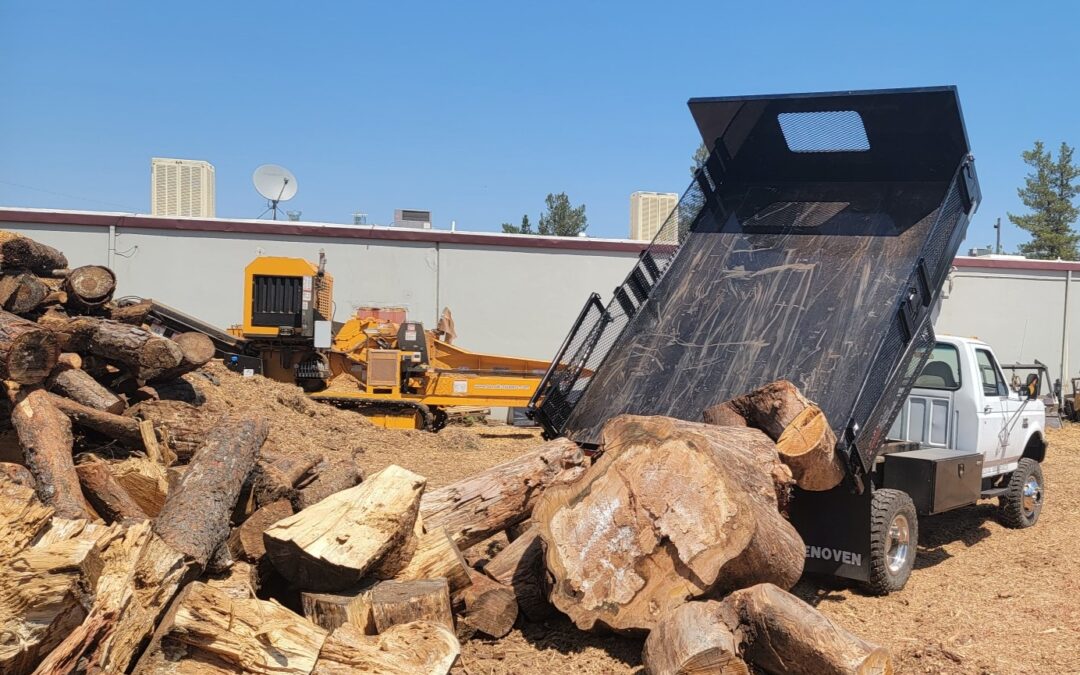
When trees are removed or trimmed, the work doesn’t end once the debris is hauled away. What happens afterward plays an important role in environmental management and sustainability.
Tree and debris hauling is not just about clearing space—it’s also about handling natural waste responsibly to reduce landfill impact and promote eco-friendly practices.
Proper disposal and recycling ensure that trees, branches, and organic waste don’t simply go to waste. Instead, much of this material can be transformed into valuable resources like mulch, compost, and renewable energy.
Understanding what happens after hauling provides insight into how these processes benefit both property owners and the environment.
Sorting and Processing the Debris
Once the trees and debris are hauled away, they go through a detailed sorting process. This step separates materials based on their type and potential for reuse or recycling.
- Separate green waste such as branches, leaves, and logs from non-organic materials.
- Remove contaminants like nails, wires, or other debris that can’t be composted.
- Transport sorted materials to recycling or composting facilities.
Sorting ensures that reusable materials are properly handled instead of being discarded. This step lays the groundwork for sustainable waste management and resource recovery.
Recycling and Repurposing Wood Waste
Recycling wood from removed trees is one of the most sustainable outcomes of debris hauling. Recycled wood can be repurposed in several environmentally friendly ways.
- Convert logs into wood chips or mulch for landscaping and erosion control.
- Process larger pieces of wood into lumber for construction or furniture.
- Use fine wood waste as biomass for renewable energy production.
Recycling wood minimizes waste and contributes to eco-conscious industries. It turns what would be landfill material into valuable products that serve homes, gardens, and commercial projects.
Composting Organic Materials
Organic debris like leaves, branches, and smaller wood pieces are often composted to create nutrient-rich soil. Composting reduces greenhouse gases while improving soil health.
- Shred and grind organic waste for faster decomposition.
- Mix with other organic materials to balance moisture and nutrients.
- Allow compost to cure before use in gardens or landscaping.
Composting turns waste into a valuable soil amendment that supports plant growth. This natural recycling process benefits both the environment and the community.
Safe Disposal of Non-Recyclable Waste
Not all debris from tree hauling can be recycled. Some materials must be safely disposed of to prevent contamination or hazards.
- Identify materials that are diseased, pest-infested, or chemically treated.
- Transport non-recyclable debris to designated waste disposal facilities.
- Follow local environmental regulations for safe disposal.
Proper disposal prevents the spread of disease or pests and ensures compliance with environmental laws. It’s an essential part of responsible debris management.
Supporting a Sustainable Ecosystem
The final step in managing hauled debris focuses on sustainability. Recycling and composting not only reduce waste but also help restore and protect local ecosystems.
- Use mulch and compost to enrich soil and support healthy plant growth.
- Reintroduce recycled materials into community projects or green initiatives.
- Partner with eco-friendly facilities that prioritise renewable practices.
Sustainable debris management creates long-term environmental benefits. It promotes a cycle of reuse and regeneration that helps maintain cleaner, healthier surroundings.
Turning Waste into Opportunity for a Greener Future
The process after tree and debris hauling is about more than just disposal, it’s about transformation. Through sorting, recycling, composting, and sustainable waste management, what once seemed like waste becomes a resource.
These practices reduce environmental impact, support renewable energy, and contribute to healthier ecosystems. Choosing responsible debris management not only keeps properties clean but also plays a vital role in building a greener, more sustainable future for everyone.